What You Need to Know About Mold After Flooding
Flooding is never a straightforward event. The water recedes, the sun comes out, and you start thinking about what comes next. But for property owners, especially in places like Detroit where older basements and aging infrastructure are common, the real trouble often starts weeks later. That trouble is mold after flooding. It does not announce itself with a smell right away. It starts quietly, in wall cavities, under floorboards, behind baseboards, and in the damp corners of a basement that was under three feet of water. By the time you see it, the colony has already been growing for days.
Mold is not just a cosmetic problem. It is a structural, financial, and health issue that demands a careful response. If you have dealt with basement flooding before, you might already know that drying things out is only half the battle. The other half is understanding what mold needs to grow and cutting off those conditions before it takes hold. That is the difference between a quick surface cleanup and a real solution.
The Biology of Mold Spores and Moisture
Mold is a fungus that reproduces through tiny spores that float in the air, indoors and out. These spores are everywhere. They are on your clothes, your shoes, and in the dust under your couch. Normally they are harmless because they lack the moisture they need to germinate. But when a flood introduces standing water and high humidity into a building, those spores get exactly what they need. Within 24 to 48 hours, they can begin to colonize damp surfaces. The most common culprits after a flood are species of Aspergillus, Penicillium, and Stachybotrys, better known as black mold.
Black mold gets a lot of attention, and for good reason. It thrives on materials with high cellulose content like drywall, wood, and paper. It does not grow as fast as some other molds, but when it does appear, it usually means the material has been wet for a while. That is a sign that the moisture problem was not dealt with quickly enough. Black mold is also one of the more common triggers for respiratory issues, especially in people with asthma or allergies.
Health Risks: More Than a Musty Smell
Prolonged exposure to mold spores can cause a range of health problems. The EPA has published guidelines on indoor mold, noting that exposure can cause nasal stuffiness, throat irritation, coughing, and wheezing. For people with compromised immune systems or chronic lung conditions, the risks are higher. The CDC also warns about potential allergic reactions and infections from certain molds. This is why the EPA recommends prompt and thorough cleanup after any significant water intrusion.

If you are entering a flooded building, OSHA recommends wearing an N-95 respirator, gloves, and goggles. Do not take shortcuts with a dust mask, because mold spores are small enough to pass through them. A HEPA vacuum can capture particles that standard vacuums simply blow back into the air. Pair that with a dehumidifier running continuously to pull moisture out of the air, and you start to create conditions that discourage further growth.
Why Drying Is Not the Same as Remediating
A common mistake is to assume that once the standing water is gone and the space feels dry, the problem is solved. But moisture wicks into porous materials. A concrete basement wall might look dry on the surface while the bottom few inches are still holding water behind a layer of paint or sealant. Wood studs and drywall can stay damp for weeks if airflow is poor.
Professional mold remediation certification programs, like the IICRC, teach that effective remediation involves three steps: source removal, containment, and drying. Simply painting over mold or spraying bleach on it does not fix the problem. Bleach can kill surface mold on non-porous surfaces, but on drywall or wood it may not penetrate deep enough. Hydrogen peroxide and boric acid are sometimes used for specific applications, but they have limitations. Products like Concrobium are formulated to leave a protective barrier that resists future growth, but they are only effective if the underlying moisture issue is resolved.
An air scrubber with a HEPA filter can help capture airborne spores during cleanup. Without it, you risk spreading spores to other parts of the building as you work. This is especially important in multi-unit properties or homes where you cannot isolate the affected area completely.
Insurance, FEMA, and the Bigger Picture
Flood insurance is a separate policy from standard homeowners insurance. Many people discover this after a flood, when they file a claim and find out that water damage from rising water is not covered. FEMA provides disaster assistance in declared emergencies, but that assistance is usually capped and may not cover the full cost of professional remediation. That is why it is worth checking your policy now, before the next storm. If you live in a flood-prone area, flood insurance is not optional, it is a financial necessity.
Water damage restoration companies often work alongside remediation specialists. Their job is to extract standing water, dry the structure, and remove damaged materials. But restoration is not the same as mold remediation. Restoration addresses the water. Remediation addresses the biological growth that follows. Both are needed after a serious flood.

Practical Steps After a Flood
If you are dealing with mold after flooding, here is a sequence that works in most residential situations:
- Wear protective gear. An N-95 respirator, gloves, and eye protection are the minimum. OSHA guidance applies whether you are a homeowner or a contractor.
- Remove all wet materials that cannot be fully cleaned and dried. Carpet, pad, drywall, and insulation that stayed wet for more than 48 hours should go to the curb.
- Run a dehumidifier and fans continuously. Aim for relative humidity below 50 percent. This alone can stop mold from spreading further.
- Clean hard surfaces with a detergent solution first, then apply a mold-specific cleaner. Avoid bleach on porous surfaces because it adds moisture without penetrating.
- Use a HEPA vacuum and an air scrubber to capture spores that become airborne during cleanup. Change the HEPA filter regularly.
These steps are not glamorous, but they work. The order matters. If you clean before removing wet materials, you just spread spores into clean areas.
Testing: When to Use a Mold Testing Kit
There are times when a mold testing kit makes sense. If you cannot see visible growth but smell a musty odor, or if someone in the building is having unexplained allergy symptoms, testing can tell you whether spore levels are elevated indoors compared to outdoors. That information helps you decide whether to clean, remediate, or call a professional.
But testing has limits. It does not tell you exactly where the mold is growing. It only tells you that spores are present in the air. A negative test result does not mean the building is safe, because spores settle on surfaces and may not be airborne at the moment of sampling. Still, a mold testing kit can be a useful tool when used correctly, especially when combined with a visual inspection and moisture meter readings.
The Long Game: Allergen Control and Prevention
Once the immediate cleanup is done, the focus should shift to keeping things dry. This means fixing leaks, improving drainage around the foundation, and possibly installing a sump pump or backup generator if basement flooding is a recurring problem. Allergen control is a long-term effort. Mold spores are just one of many indoor allergens, but they are one of the most manageable if you keep humidity in check.
Regular use of a dehumidifier in the basement during humid months can prevent the conditions that lead to mold after flooding. In a city like Detroit, where seasonal changes bring both heavy rain and humid summers, this is not a one-time fix. It is a habit. A HEPA vacuum used weekly in finished basements also helps keep spore counts low.
When to Call a Professional
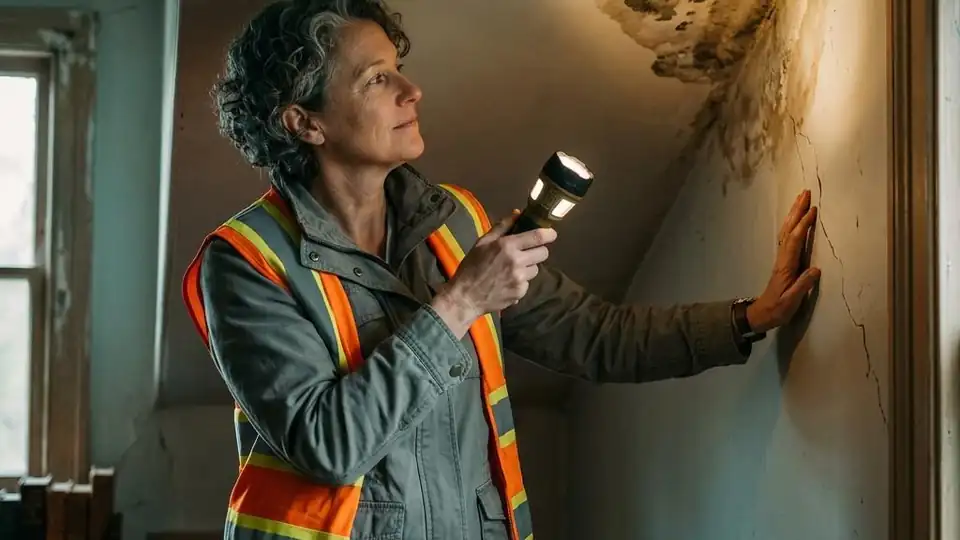
Some situations call for more than DIY effort. If the flooded area is larger than about ten square feet, or if the water came from sewage backup or contaminated floodwater, professional help is a good idea. Mold remediation certification programs like the IICRC and the RESTORE program train technicians in containment, negative air pressure, and safe disposal of contaminated materials. These are not skills the average homeowner has, and that is okay.
Professionals also have access to commercial-grade dehumidifiers, air scrubbers, and antimicrobial treatments that are not available at a hardware store. They can assess damage behind walls and under floors with moisture meters and borescopes. And they know how to handle black mold without spreading it through the house.
There is no shame in calling for help. The goal is a safe, dry building, not a medal for doing it yourself. Mold after flooding is a serious problem, and treating it with the respect it deserves is the smartest thing you can do for your property and your health.